Community Partnership | C&S Waste Solutions
Background
Foodservice Packaging Materials Accepted
Paper cups*
Paper bags
Molded fiber food packaging
Alumninum Foil Food Packaging
*New items added during partnership
C&S Waste Solutions, based in Ukiah, California, and operating under Waste Connections, provides residential and commercial recycling service to more than 76,500 households and all local businesses across Mendocino and Lake Counties, a predominantly rural region.
C&S Waste Solutions and the Foodservice Packaging Institute (FPI) connected through broader collaboration with Waste Connections, building on early momentum with Groot Industries in Chicago, also a Waste Connections company. Groot’s addition of paper cups, paired with coordinated education, was well received and helped demonstrate what is possible when operations and communications move together. That success created a natural pathway for FPI to engage other Waste Connections communities, such as those in California that were ready to expand recovery of foodservice packaging.
FPI also had a strategic reason to prove this model in California. Recent legislative actions in the state have emphasized the need for improved waste management of foodservice packaging. Partnering in Mendocino and Lake Counties created an opportunity to show that paper cups and other takeout packaging can be recovered successfully without disrupting recycling operations.
Operations and End Market Planning
Before launching the campaign, C&S Waste Solutions confirmed end market alignment, confirming acceptance of materials with Georgia-Pacific Recycling. Georgia-Pacific advised Waste Connections that paper cups would be accepted in mixed paper bales, allowing the project to move forward.
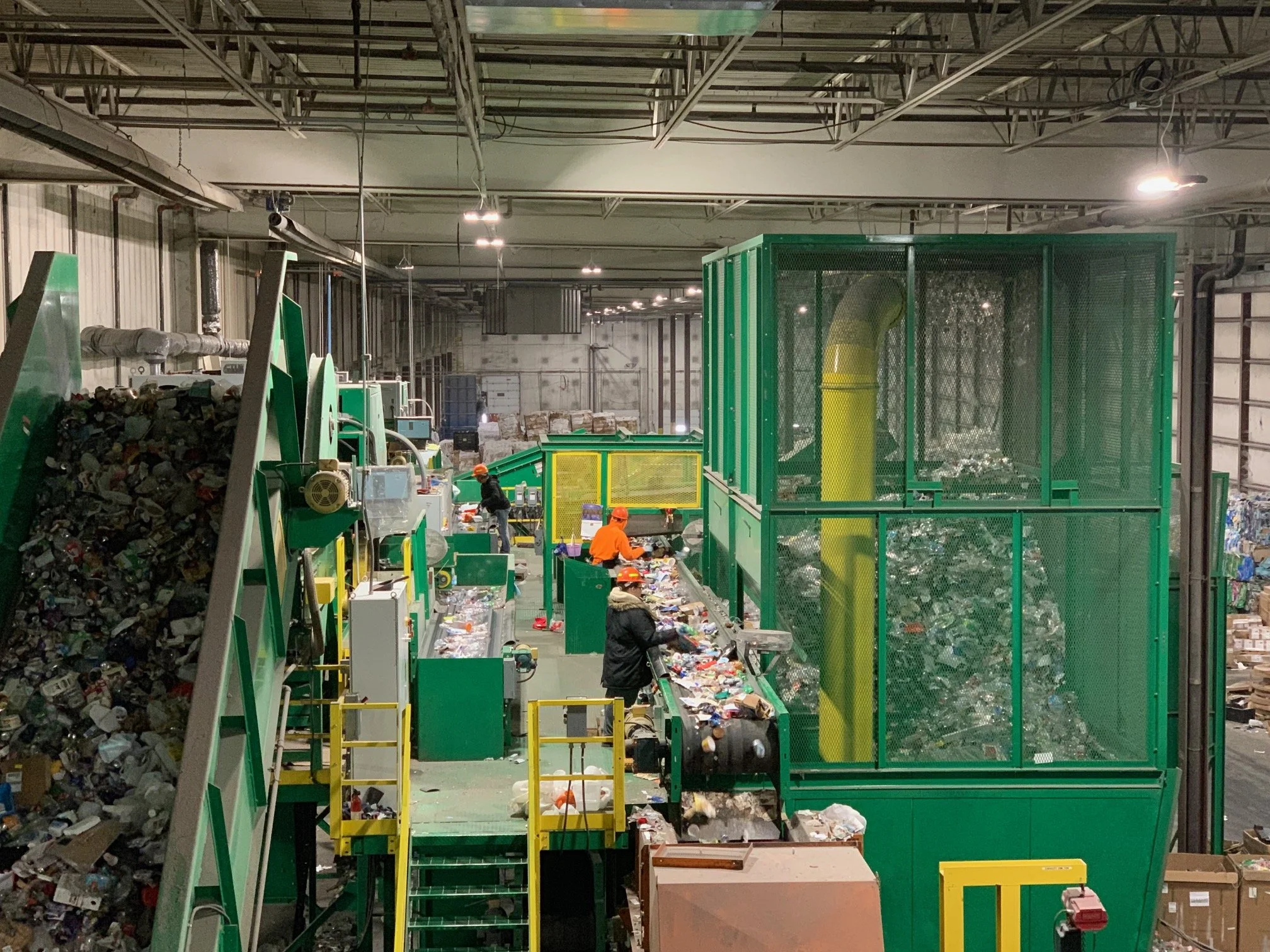
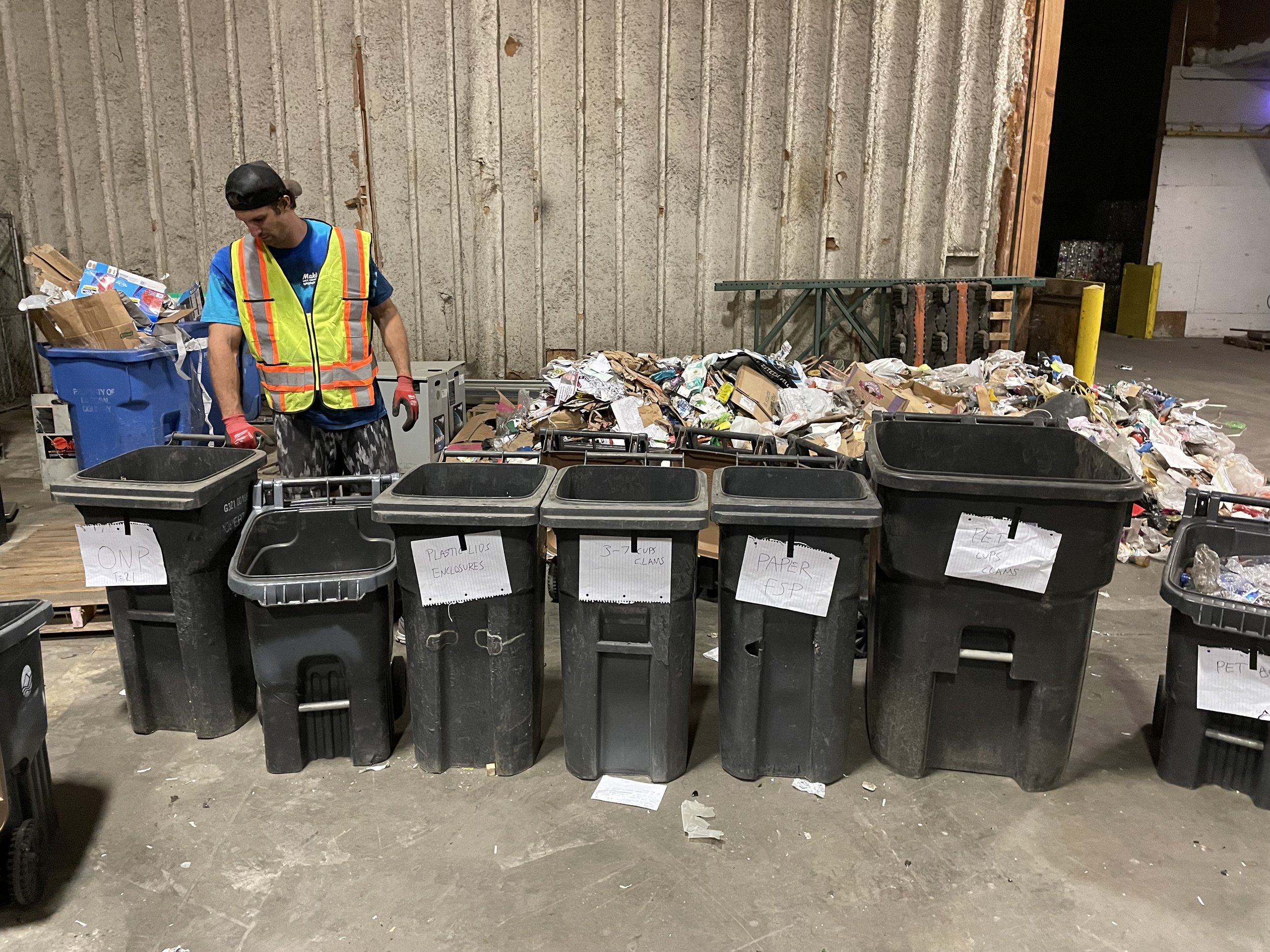
To support a data-driven rollout, FPI funded a pre-campaign waste audit to establish a baseline for recovery and contamination prior to the communications effort. The audit showed that foodservice packaging was consistently present in inbound loads at about 3%, but a meaningful share was being sent to residue rather than baled, signaling strong diversion potential if recovery practices at the MRF improved.
Outreach and Education
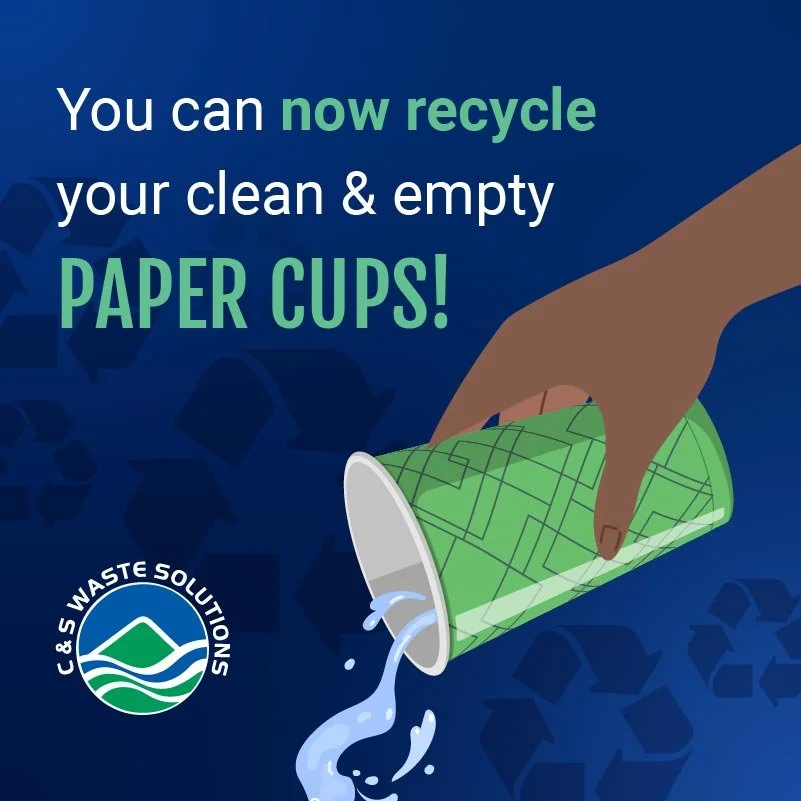
C&S Waste Solutions made efforts to ensure messaging would expand recovery without increasing contamination. This coordination was especially important in California, where mandatory organics recycling and widespread green bin programs (for compostable materials) can create confusion, so campaign messaging prioritized clear, practical guidance to help residents make the right choice and avoid contamination.
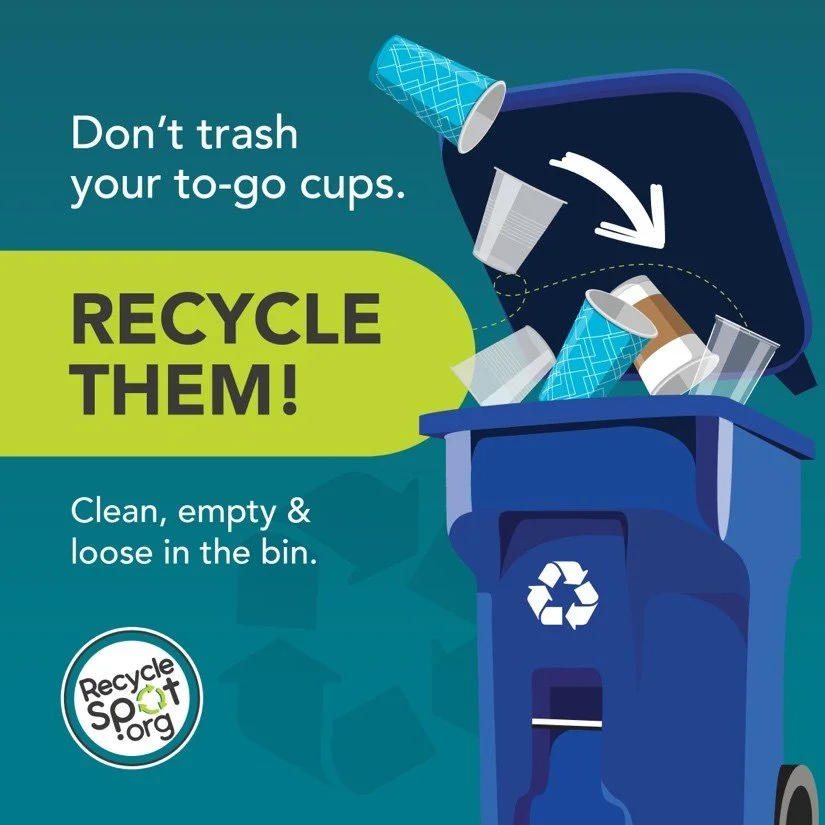
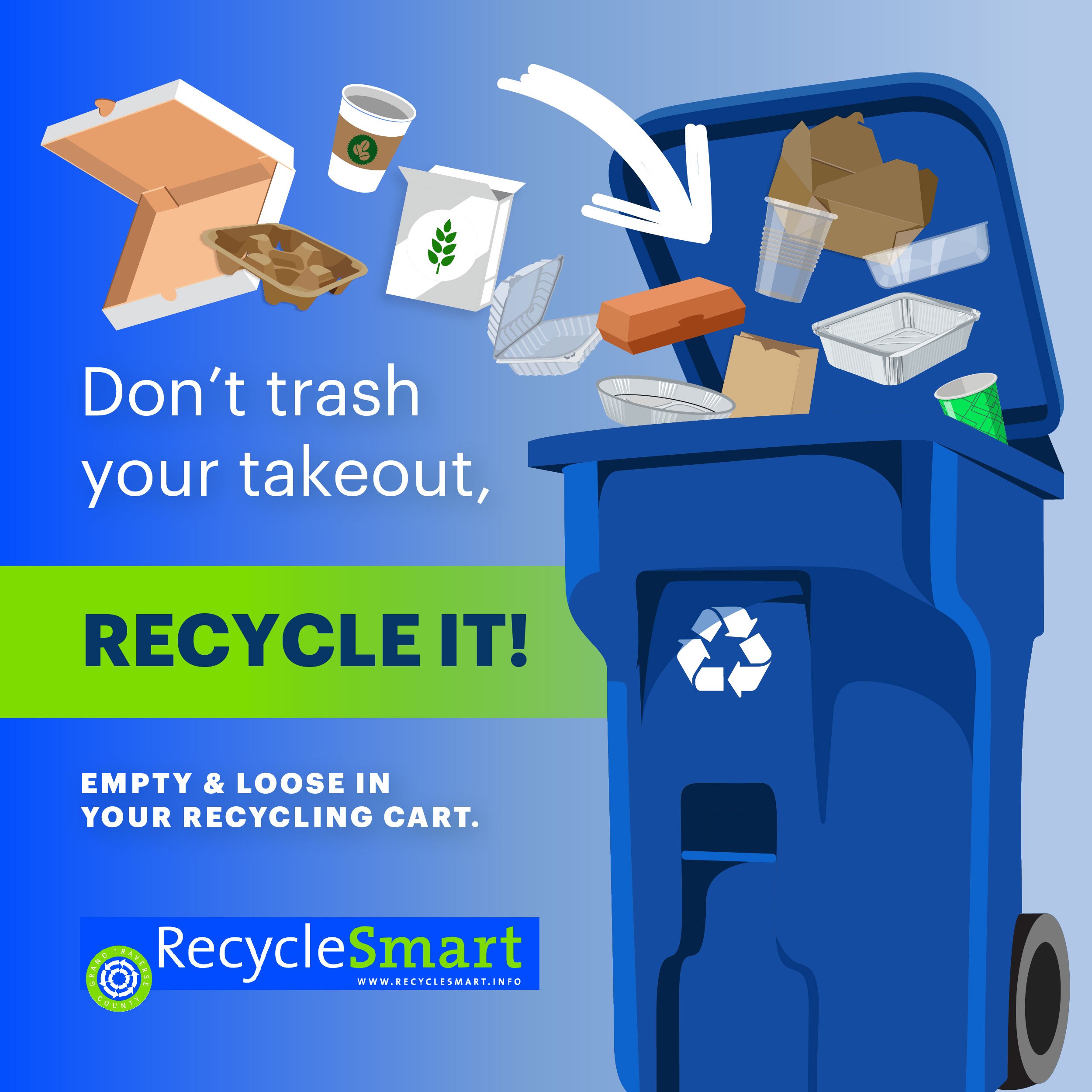
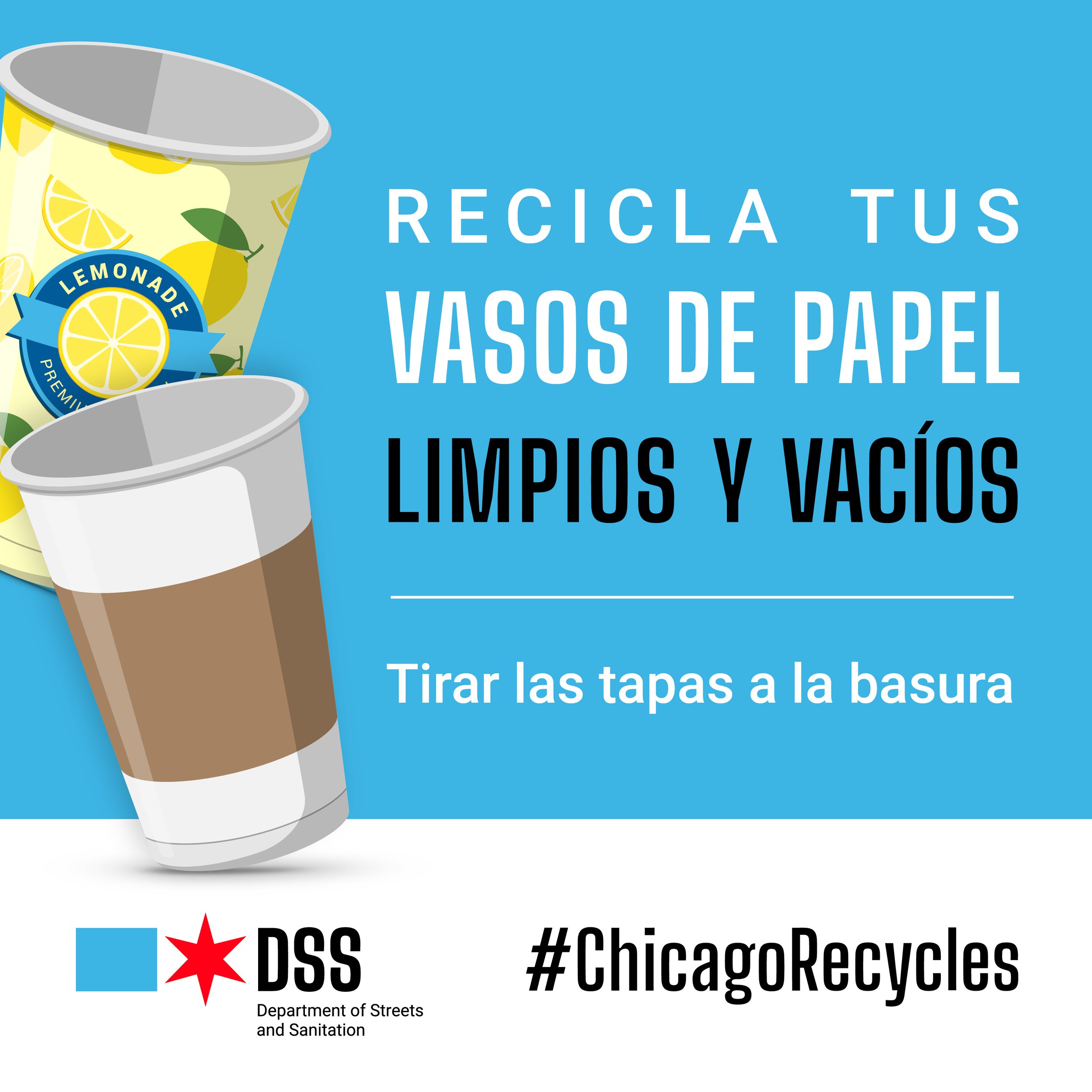
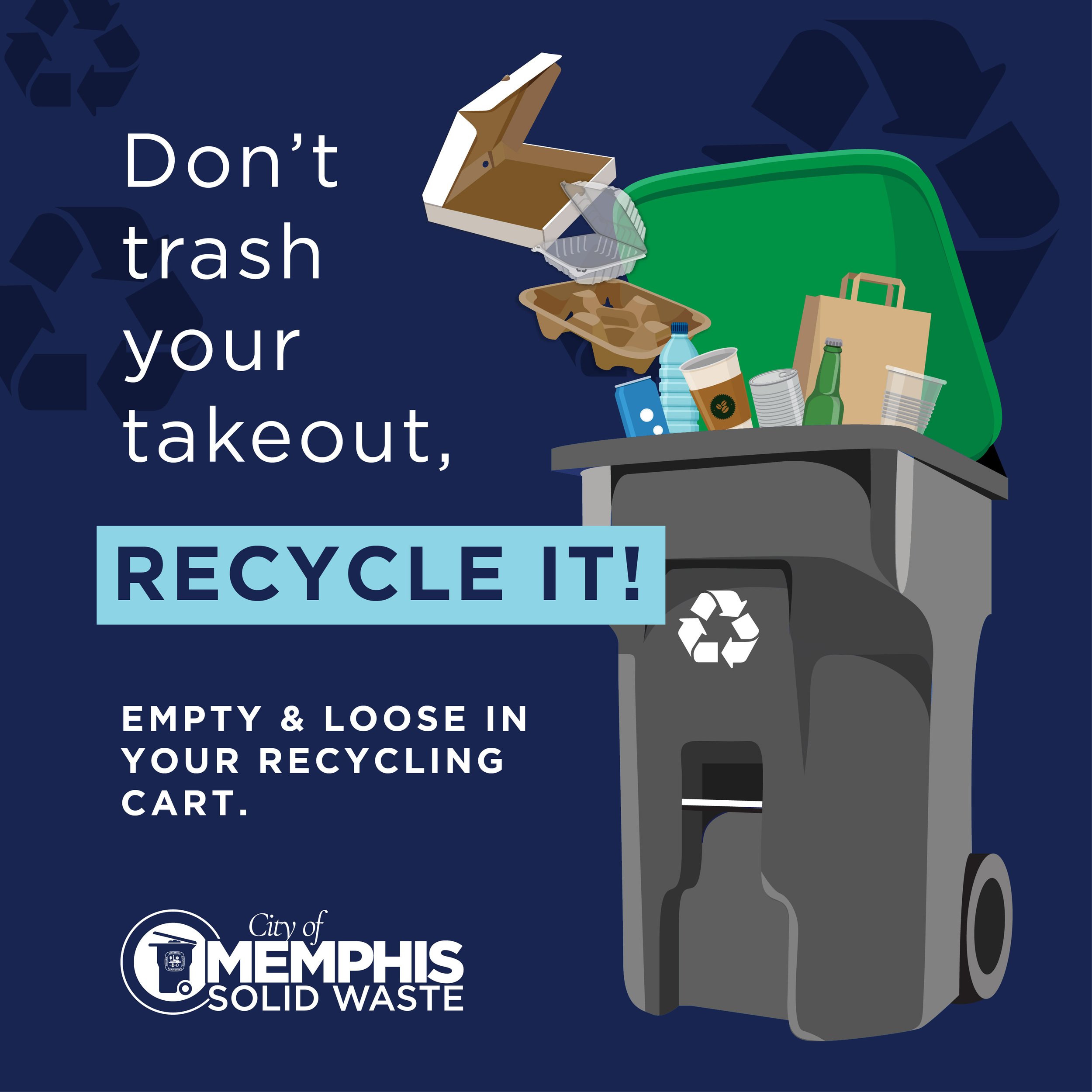
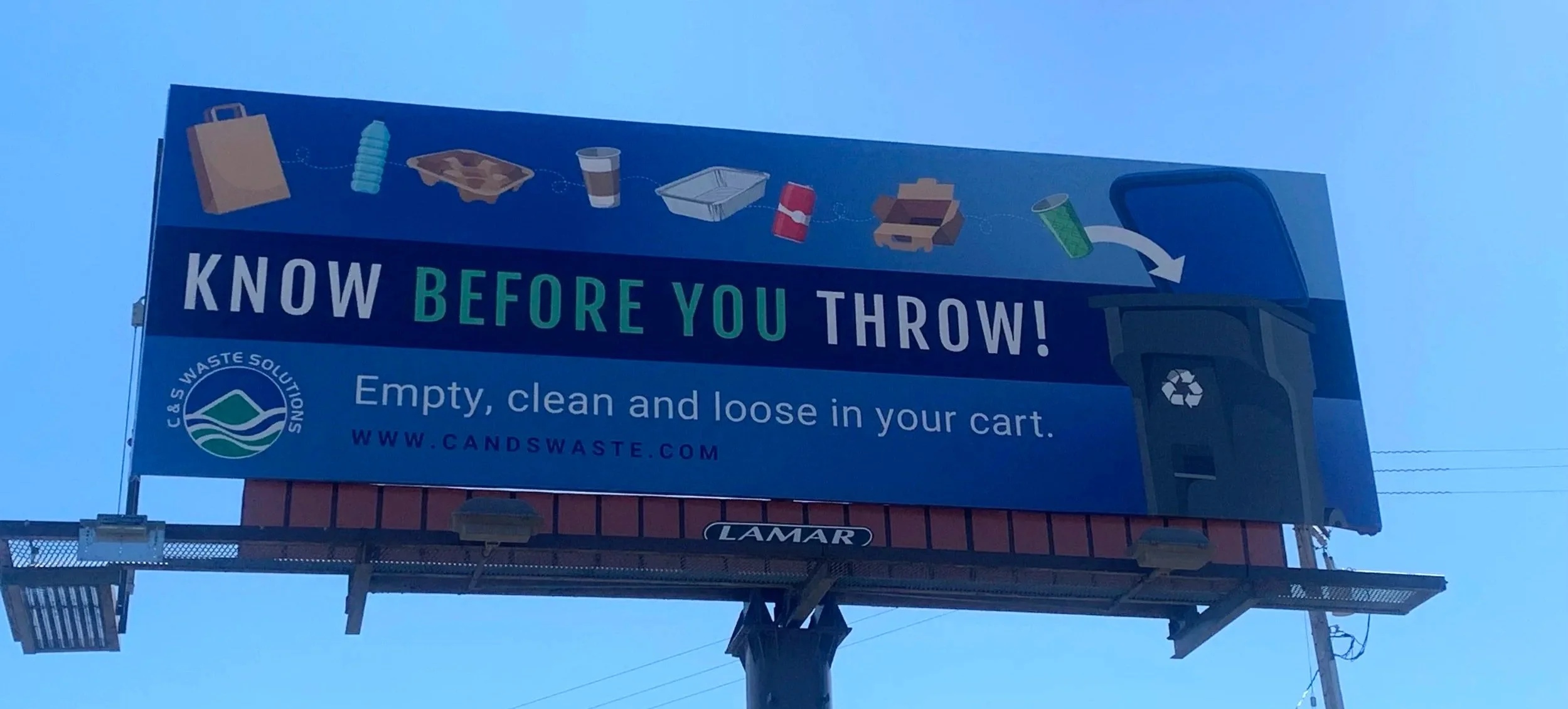
With support from an FPI communications grant, C&S Waste Solutions ran a bilingual educational campaign in Fall 2024 to introduce the newly accepted hot and cold beverage cups and reinforce simple recycling best practices. The campaign also promoted other accepted types of foodservice packaging, including paper bags, molded fiber containers, paper containers, and aluminum foil containers.
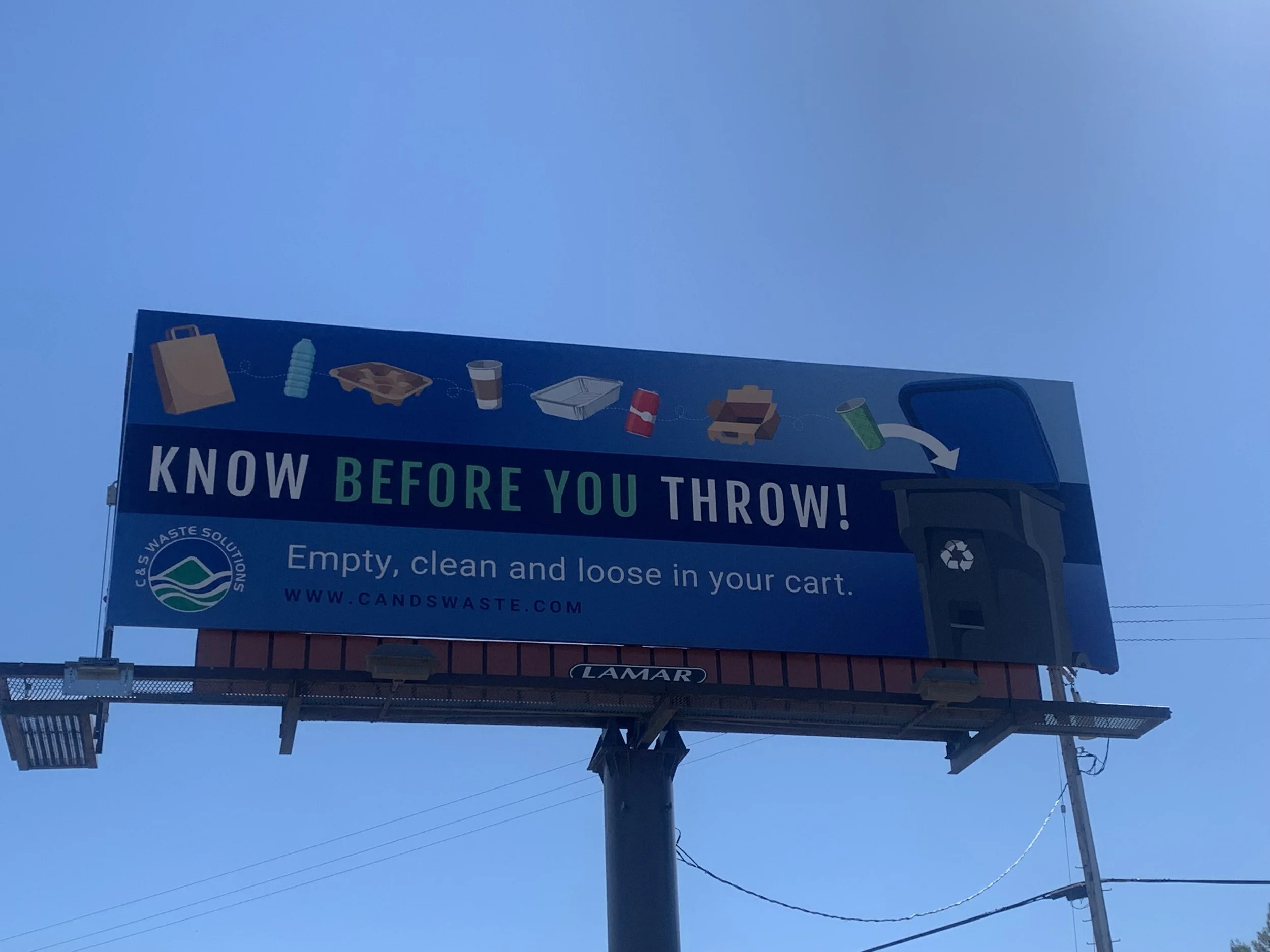
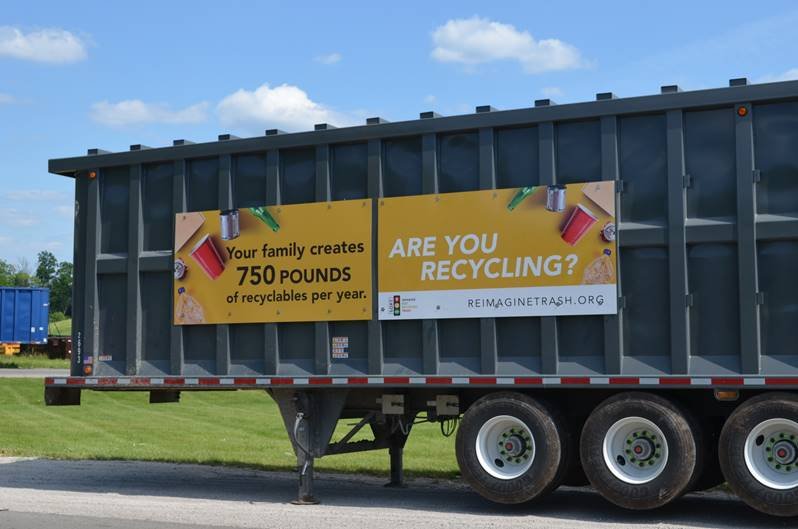
Outreach tactics included a customized recycling video, social media content, digital and print advertising, billboards, theater ads, and recycling magnet giveaways to keep the guidance visible and easy to follow at home and on the go.
Results
The campaign performed strongly and generated meaningful local engagement. It achieved an estimated reach of 878,000 residents and more than one million impressions, with communities in the service area responding very positively to the rollout. The C&S Waste Solutions team collaborated with the Ukiah City Council and other elected officials to ensure leadership had clear, consistent talking points and could help reinforce the guidance in the community.
Based on the feedback C&S Waste Solutions heard during resident engagements, the advertisements and giveaways resonated well, with residents noting how uncommon locally relevant advertising is. The efforts also earned local media attention, including an interview with the Ukiah Daily Journal that covered paper cup recycling and plastic bag recycling.
Residential awareness survey results suggested positive shifts in recycling behavior. Post-intervention results show a meaningful shift toward better cup preparation behaviors. The combined share of respondents engaging in correct or near-correct behavior increased by 12.1 percentage points, from 65.9% pre to 78.0% post. Specifically, correct cup disposal behavior (emptying the cup and placing lids and straws in the trash) increased from 23.0% to 29.5% (+6.5 percentage points), while near-correct behavior (emptying the cup but discarding all items together) increased from 42.9% to 48.4% (+5.6 percentage points). At the same time, completely incorrect behavior (discarding the cup with liquid and components intact) decreased from 26.2% to 22.0% (−4.2 percentage points).
Before the campaign, a high percentage of respondents reported that they already recycled paper cups (82%), but most indicated they were doing so incorrectly (69%). After the campaign, there was a 4% decrease in respondents who said they would place the entire cup in recycling without any preparation. Because the post-campaign survey sample was significantly smaller, these survey results were treated as directional rather than definitive.
Waste audits showed foodservice packaging represented about 3% of inbound material in both the pre- and post-sort snapshots, indicating residents were placing similar amounts of foodservice packaging in their recycling carts. After the MRF updated how it sorted the material, the amount of paper foodservice packaging in residue stream was approximately one-third of pre-sort levels, signaling stronger capture.
Looking Forward
C&S Waste Solutions and its county partners have kept the momentum going, continuing to encourage residents to recycle their paper cups and other foodservice packaging correctly. As California moves toward SB 54 implementation, C&S Waste Solutions has served as a practical best-practice example of how expanding acceptance, paired with clear guidance, can strengthen recovery without disrupting recycling operations.
To learn more about C&S Waste Solutions’ initiative and view a full list of acceptable curbside recyclables, visit https://candswaste.com/.