Torrance, California
Background
The City of Torrance, population 148,000, has long been ahead of the curve with curbside recycling and foodservice packaging recycling. In 1992, it began a city-wide commingled curbside program that included foodservice packaging items among an extensive list of recyclables. In educational materials (flyers, brochures) and on their website, Torrance is inclusive and specific about the foodservice packaging items that the program accepts.
Torrance services 29,500 single-family homes, and recycles about 10,000 tons per year. Both the material recovery facility (MRF) currently processing the city’s recyclables, as well as its former processor for more than 10 years, touted the cleanliness of Torrance’s commingled recyclables. They attributed it to the city’s robust education program.
Challenges
Torrance has not encountered any significant challenges in the more than 25 years of accepting foodservice packaging in their recycling program. Torrance keeps in regular contact with the MRF and recycling drivers to identify potential contamination issues.
Lessons Learned & Recommendations
“Go ahead!” is Torrance’s recommendation to cities thinking about adding foodservice packaging items to their curbside programs. Torrance is committed to ongoing resident recycling education and advises other cities to make the same commitment. In addition to its website guide, Torrance has a school education program, participates in events, and produces an annual newsletter and brochures. Recycling drivers communicate with residents through a flyer with checkboxes that allow the driver to note common problems. Once residents receive the flyer, they are instructed to correct the issue by the next pickup day.
Torrance recently implemented a successful communications outreach campaign about its new larger recycling cart program and included the distribution of door hangers. Before the door hanger campaign, the city tried running an ad in their local newspaper that resulted in 25 cart requests. After the distribution of door hangers to just one-third of the city, 470 households requested carts.
- April 2017
More Case Studies
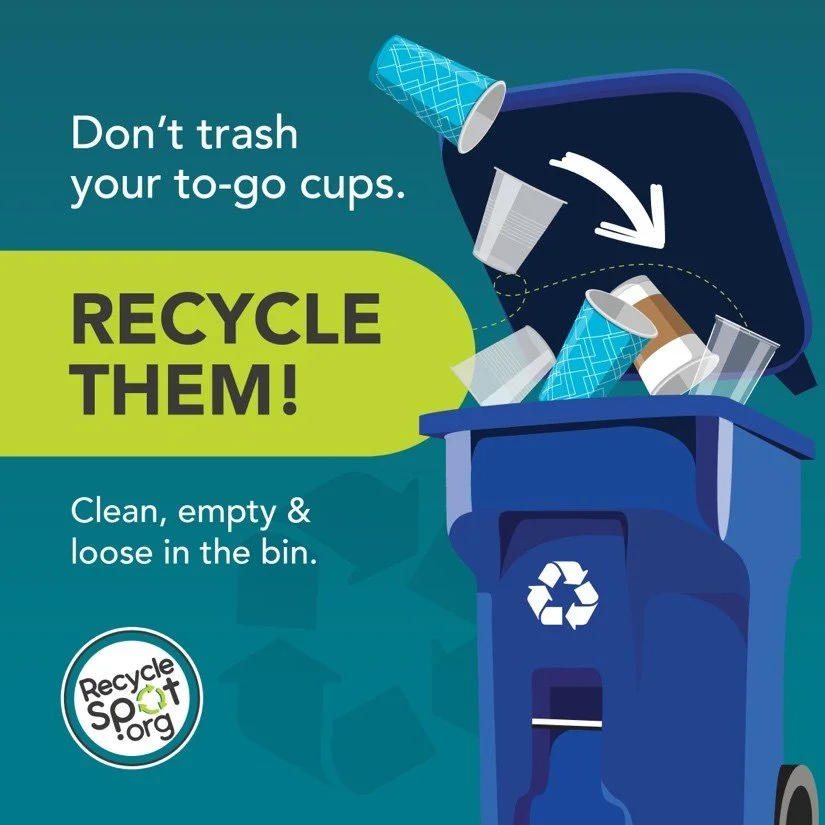
The Mid-America Regional Council Solid Waste Management District (MARC SWMD), the regional solid waste planning agency serving local governments across the Kansas City metropolitan region, and FPI collaborated to add paper and plastic cups as accepted materials for recycling and reinforce recycling other already accepted takeout packaging.
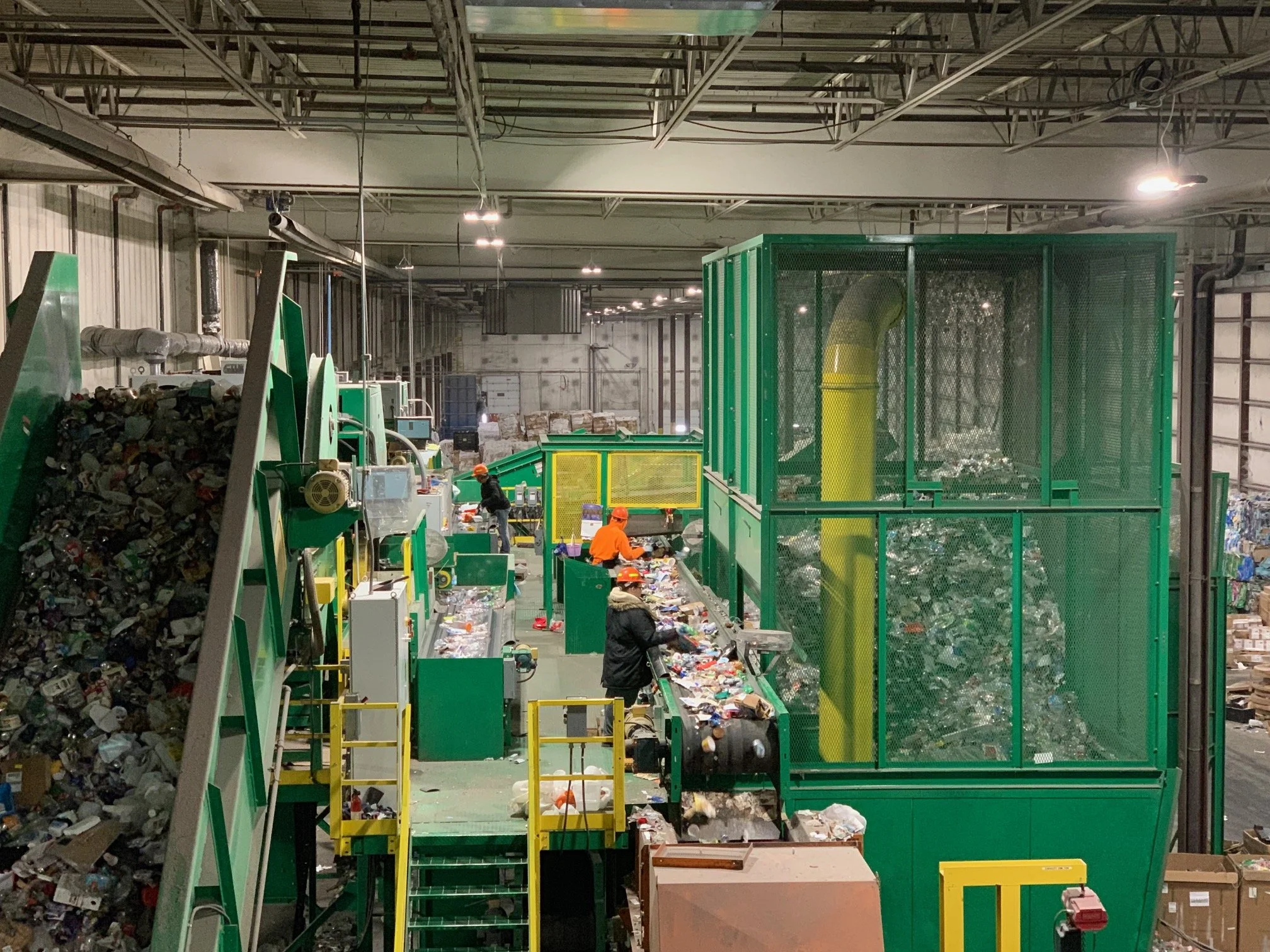
First Star Recycling and FPI collaborated to add paper cups as accepted materials for recycling and reinforce recycling other already accepted takeout packaging.
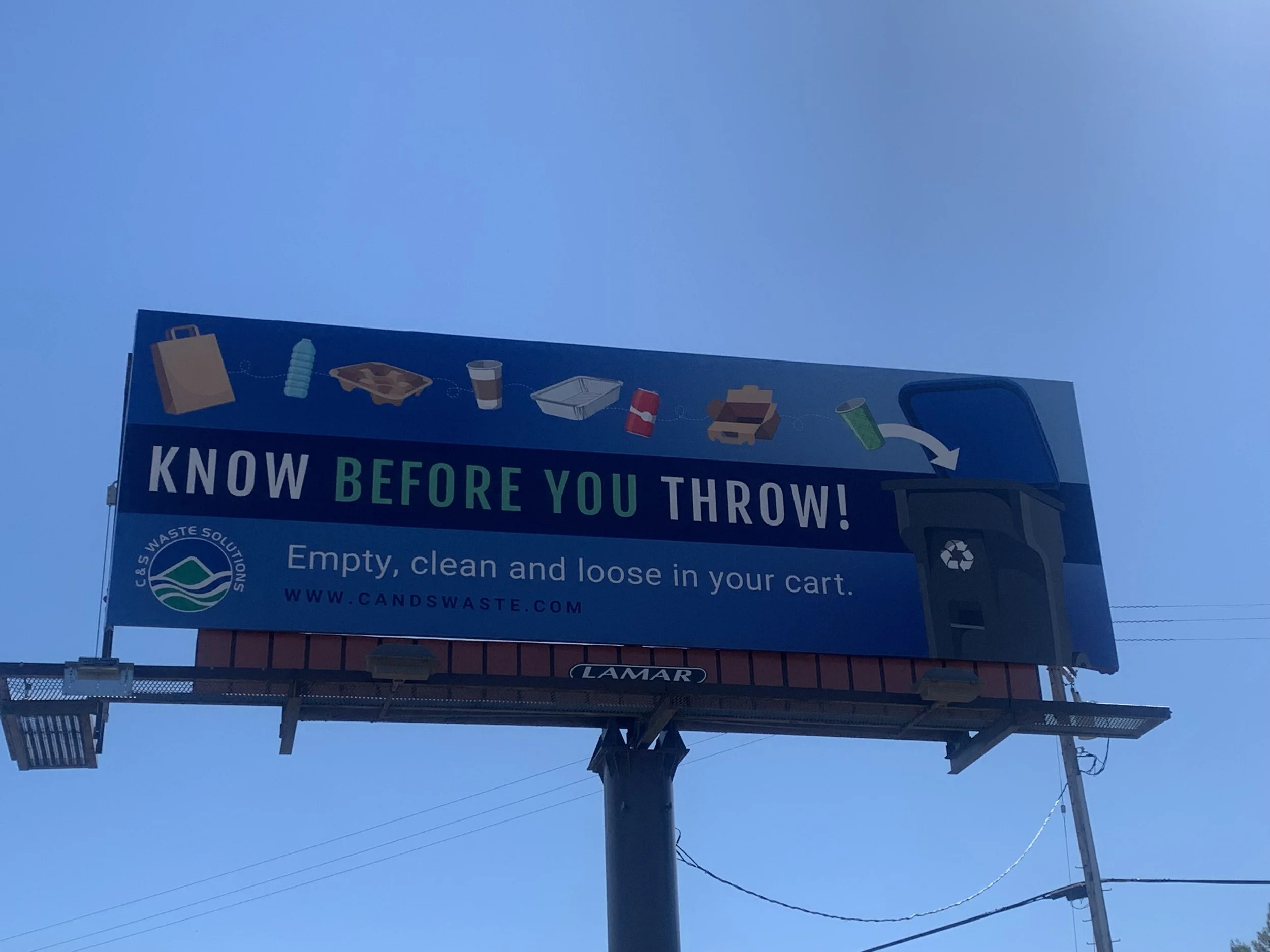
C&S Waste Solutions and FPI collaborated to add hot and cold beverage cups as accepted materials for recycling and reinforce simple recycling best practices.
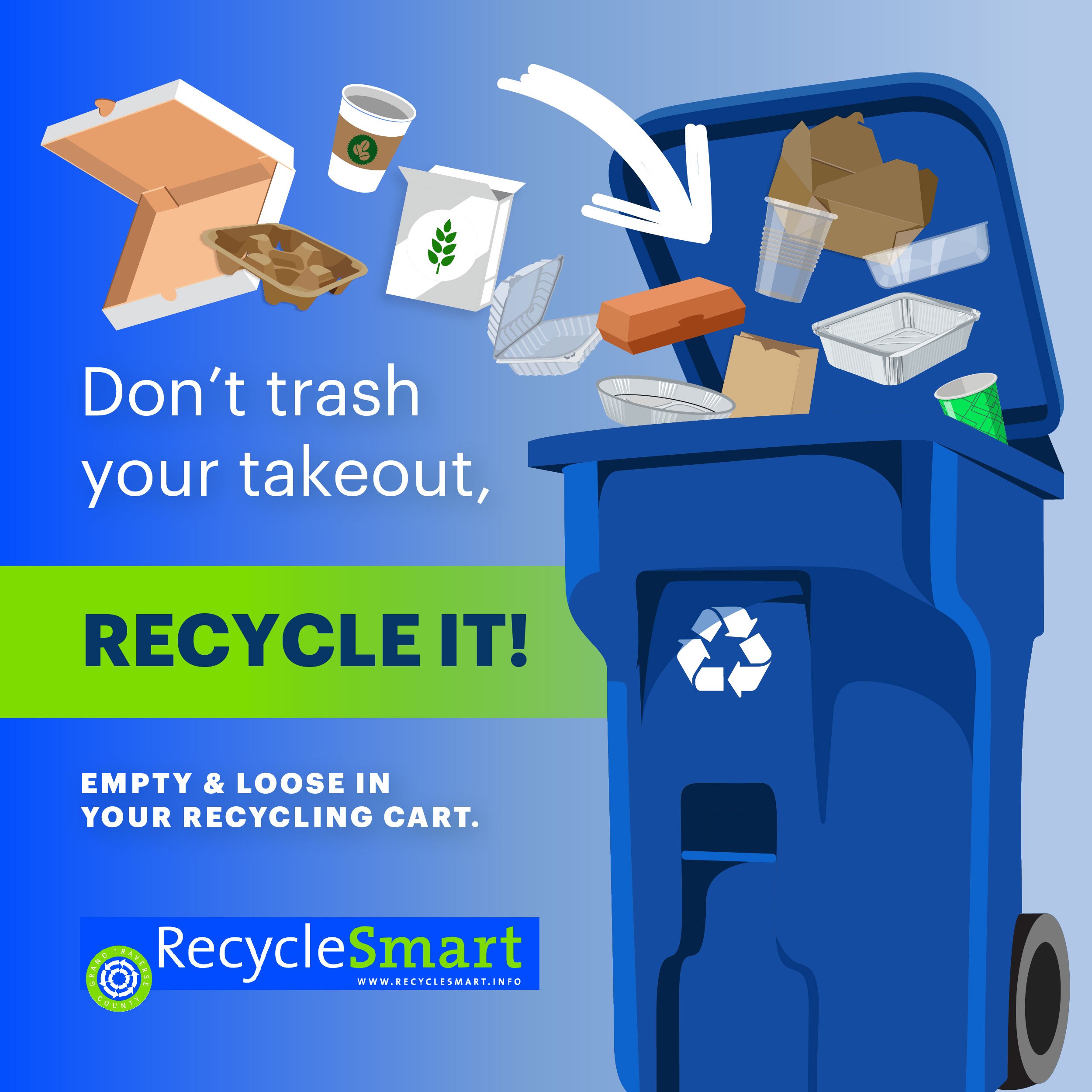
Grand Traverse County, MI, residents can reduce waste by recycling their clean, empty paper cups and pizza boxes in curbside recycling carts and at local drop-off centers.

Over 500,000 households in the Hampton Roads region of Virgina, can now recycle hot and cold paper cups as part of their recycling program.
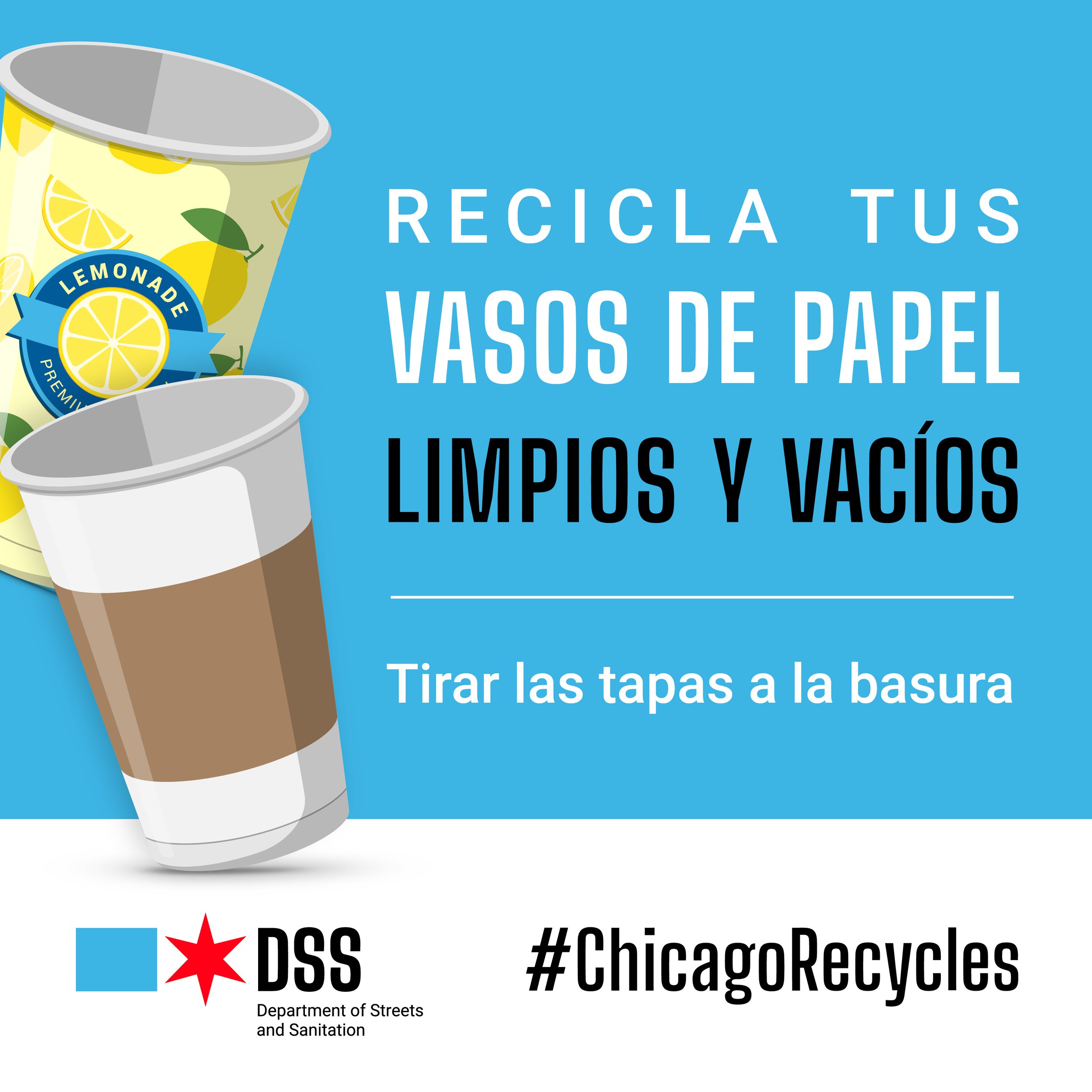
Chicago’s Department of Streets and Sanitation is asking residents to recycle their clean and empty paper cups and other takeout containers.
FPI awarded Groot a communications grant to inform residents about newly added recyclable materials, emphasizing the inclusion of paper cups, and reiterating the importance of ensuring all recyclables are clean and empty before placing in recycling carts.

Following the installation of the robotic sorter, the City of Madison, Pellitteri, and FPI collaborated on a focused educational campaign aimed at informing residents and customers about the recent modifications to the recycling program.


ACC's longstanding partner mills readily accepted bales containing paper cups. FPI facilitated discussions between RMPF and the mills, and ACC broadened its list of acceptable items to include paper cups and paper take-out containers.

Leveraging FPI's track record of successful community partnerships as evidence of paper cup recyclability, and securing approval from St. Lucie's collaborating mills, the County began including paper cups in its mixed paper bales.
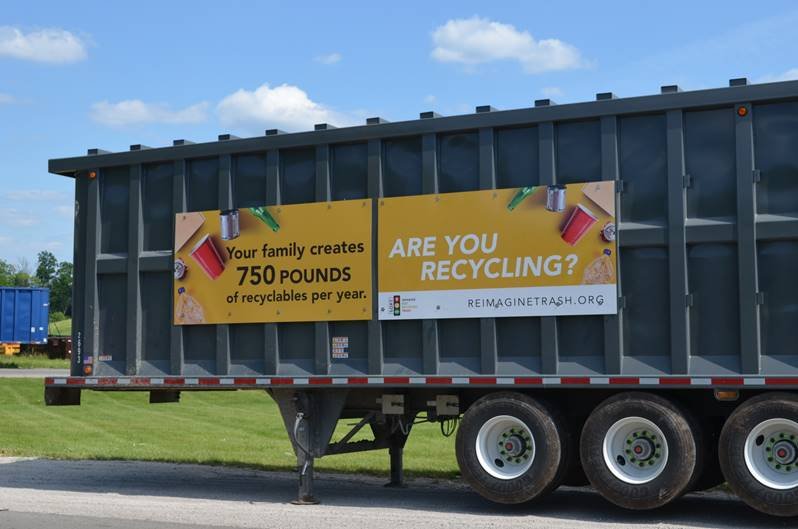
The County’s strong commitment to sustainability made it an ideal candidate to expand its recycling program to incorporate a range of foodservice items, like cups and containers, through an FPI Community Partnership.
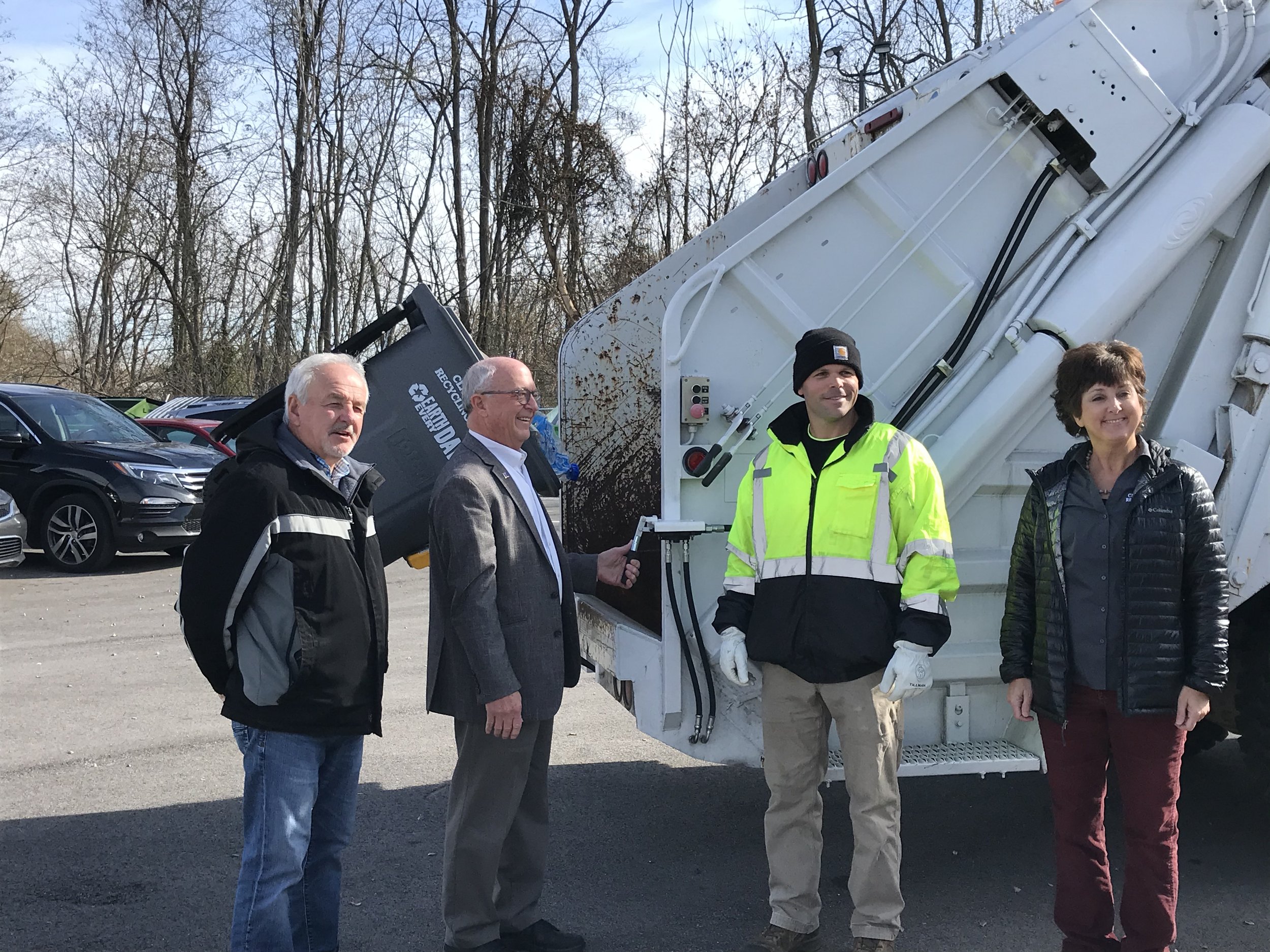
Clark County began incorporating paper cups, along with a variety of other paper foodservice items, into its mixed paper bales. The MRF subsequently sold this high-quality fiber to local paper mills in the region, where it could be reprocessed into new products.

Following the FPI’s market-based approach, the parties communicated regarding the proposed change in Sioux Falls' recycling program to ensure alignment between Millennium Recycling and its partner mill, WestRock in St. Paul, Minnesota.

Sustana committed to providing an off-take agreement for a combined paper cup/carton bale produced at the Alpine MRF in Denver. Following this change, the city of Denver carried out a targeted educational campaign to notify residents.

More households in Chicago and the surrounding area can now recycle paper cups along with other take-out containers.
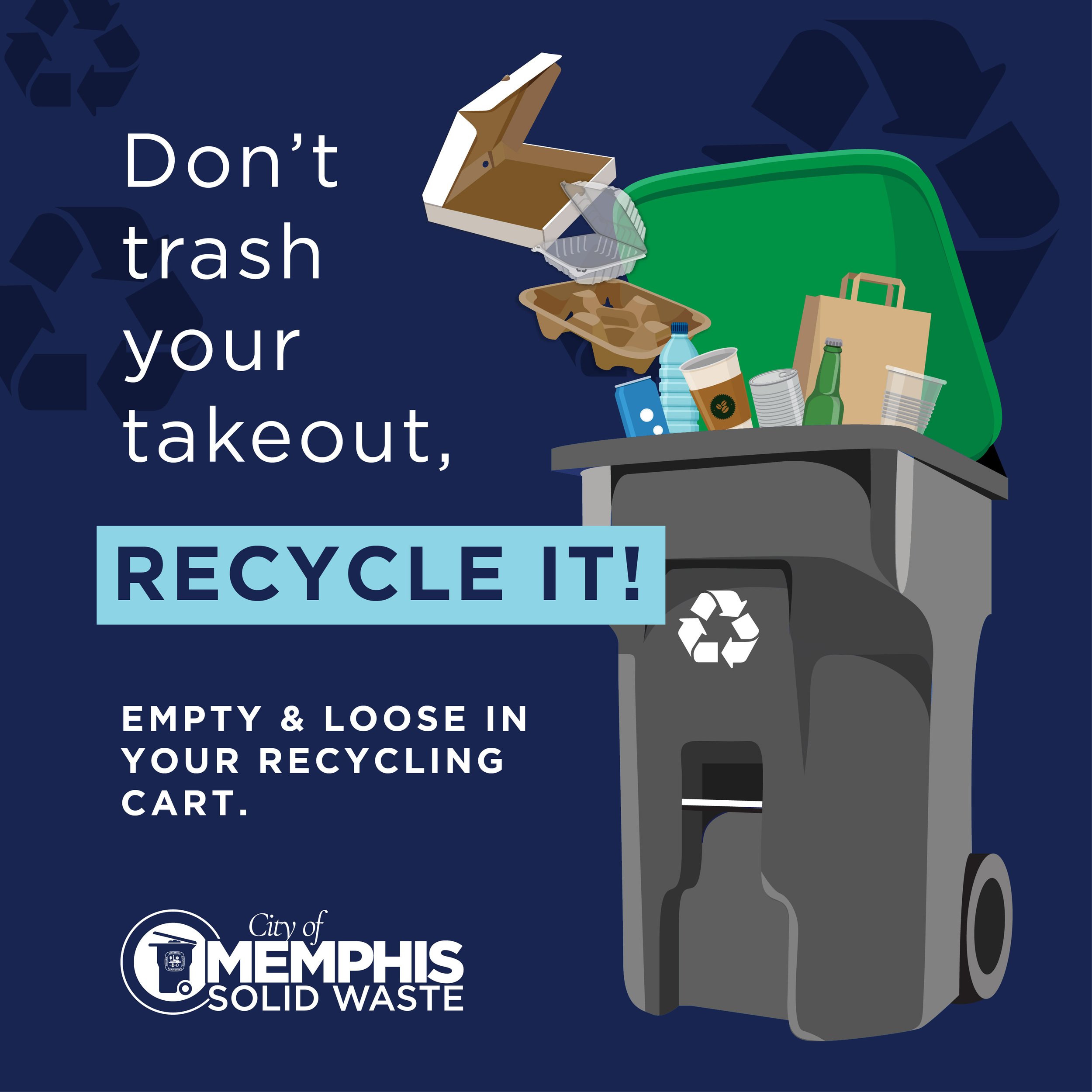
More than 182,000 households in the Memphis area are now able to recycle paper cups alongside already accepted foodservice packaging.

FCC Environmental Services has installed new robotic sorting technology at its MRF enabling greater Dallas area residents to recycle paper cups, and improved recycling of food and beverage cartons.

Eight municipalities in the Tulsa metropolitan area with over 252,000 households can recycle hot and cold paper cups.

FPI is working closely with local material recovery facilities (MRFs) and paper mills in North and South Carolina to add paper cups as an acceptable commodity for residential curbside recycling.



Foodservice Packaging Materials Accepted
Accepted in the Recycling Bin
Clean fast food wrappers
Burger boxes
French fry boxes
Paper bags
Egg cartons
Pizza boxes
Bakery boxes
Clean paper plates and cups
Clean aluminum foil and trays
Plastic containers #1-7
Foam “to go” boxes
Foam items cup size or larger
*According to Torrance’s current MRF, “clean” is defined as all items listed as "acceptable materials" that are free of food or liquid of any type or quantity.

Recycling Door Hanger