Case Studies
The case studies in this section are intended to help recycling industry professionals learn from other communities that have successfully added certain foodservice packaging items to their recycling programs and communicated those program changes to residents.
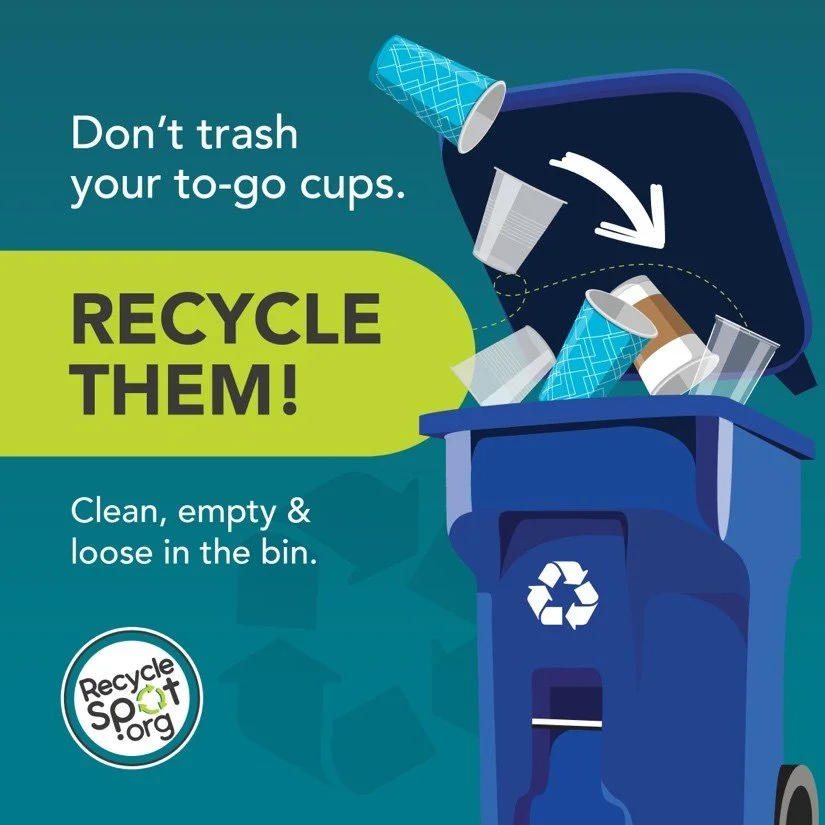
The Mid-America Regional Council Solid Waste Management District (MARC SWMD), the regional solid waste planning agency serving local governments across the Kansas City metropolitan region, and FPI collaborated to add paper and plastic cups as accepted materials for recycling and reinforce recycling other already accepted takeout packaging.
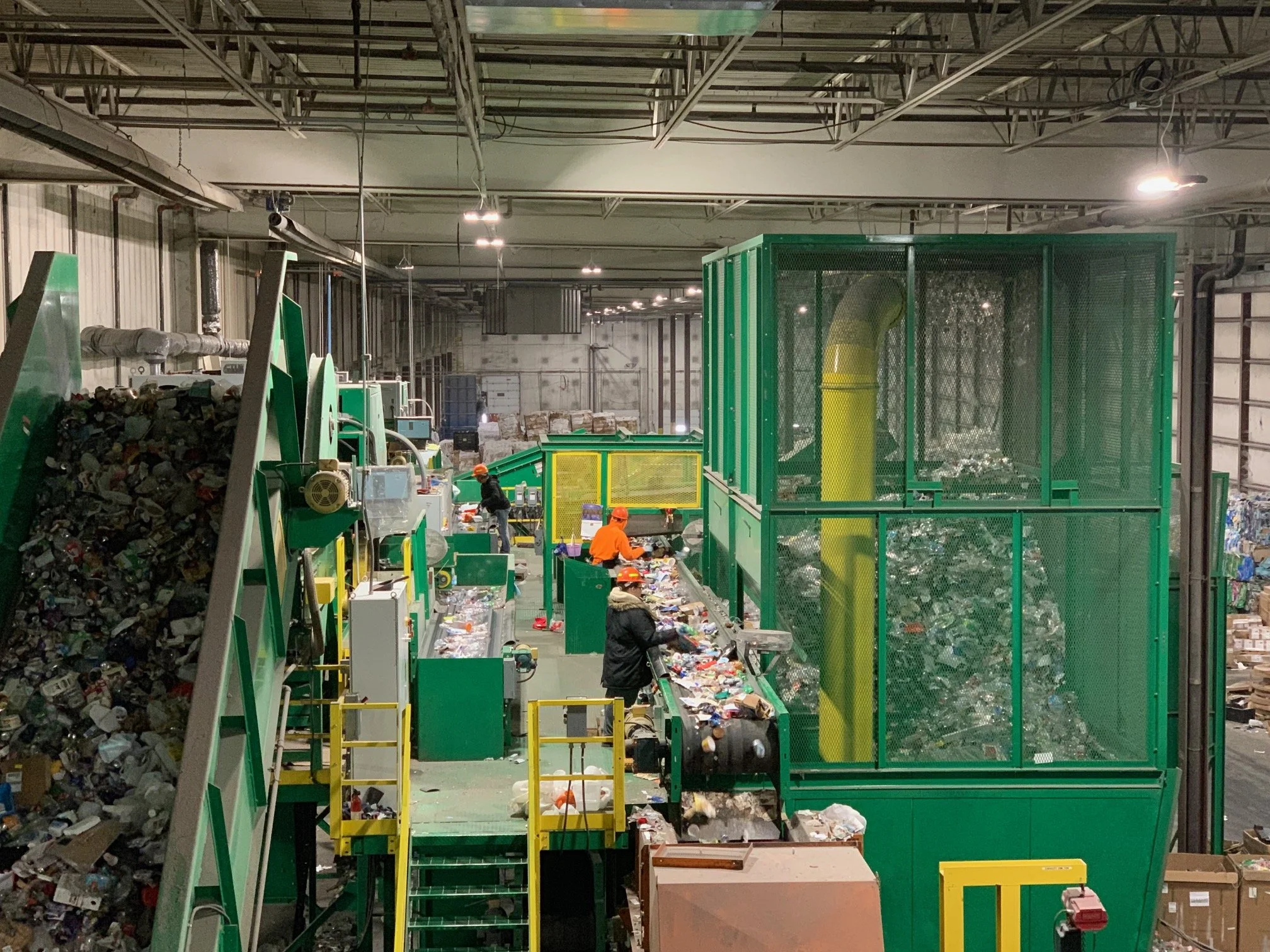
First Star Recycling and FPI collaborated to add paper cups as accepted materials for recycling and reinforce recycling other already accepted takeout packaging.
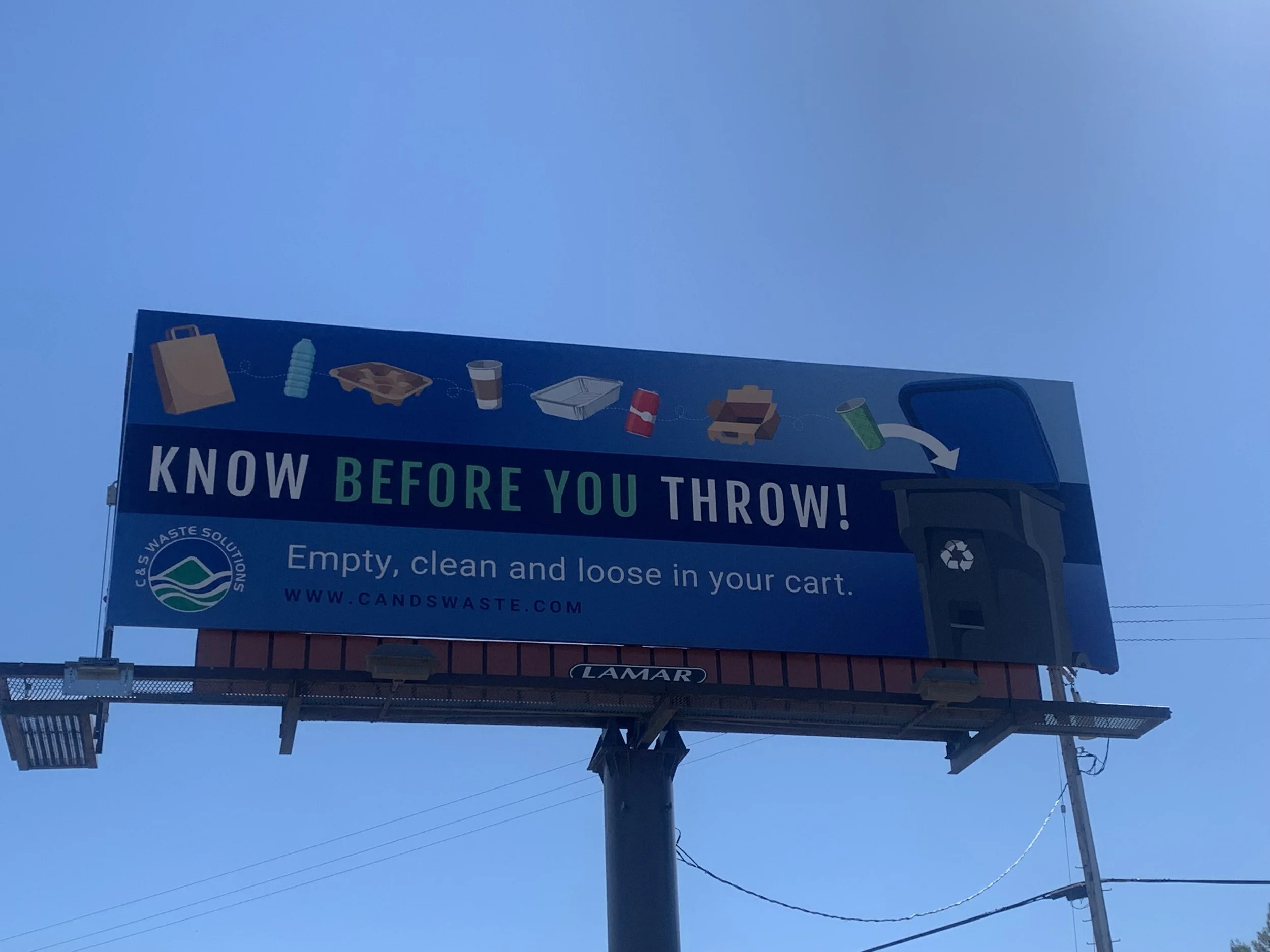
C&S Waste Solutions and FPI collaborated to add hot and cold beverage cups as accepted materials for recycling and reinforce simple recycling best practices.
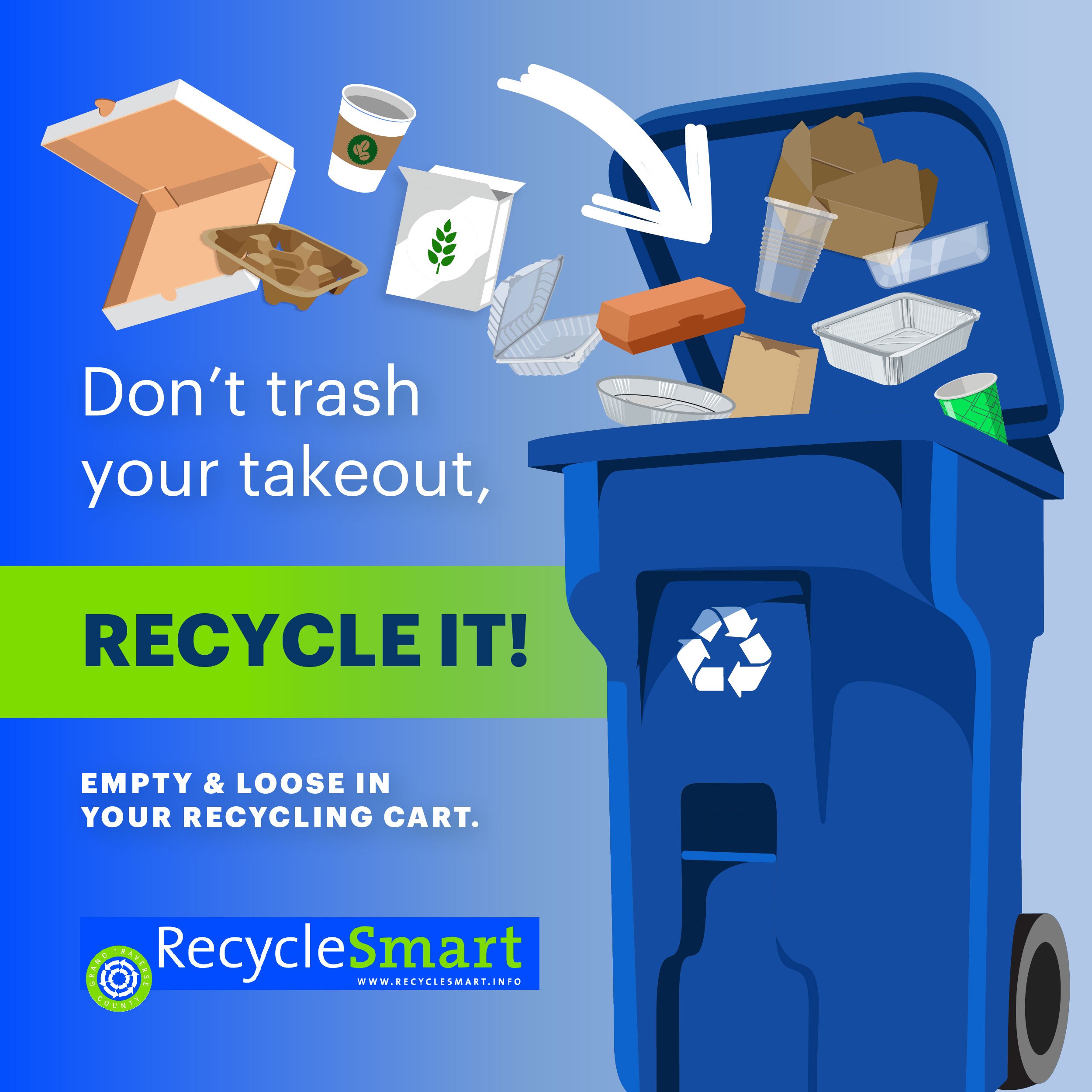
Grand Traverse County, MI, residents can reduce waste by recycling their clean, empty paper cups and pizza boxes in curbside recycling carts and at local drop-off centers.

Over 500,000 households in the Hampton Roads region of Virgina, can now recycle hot and cold paper cups as part of their recycling program.
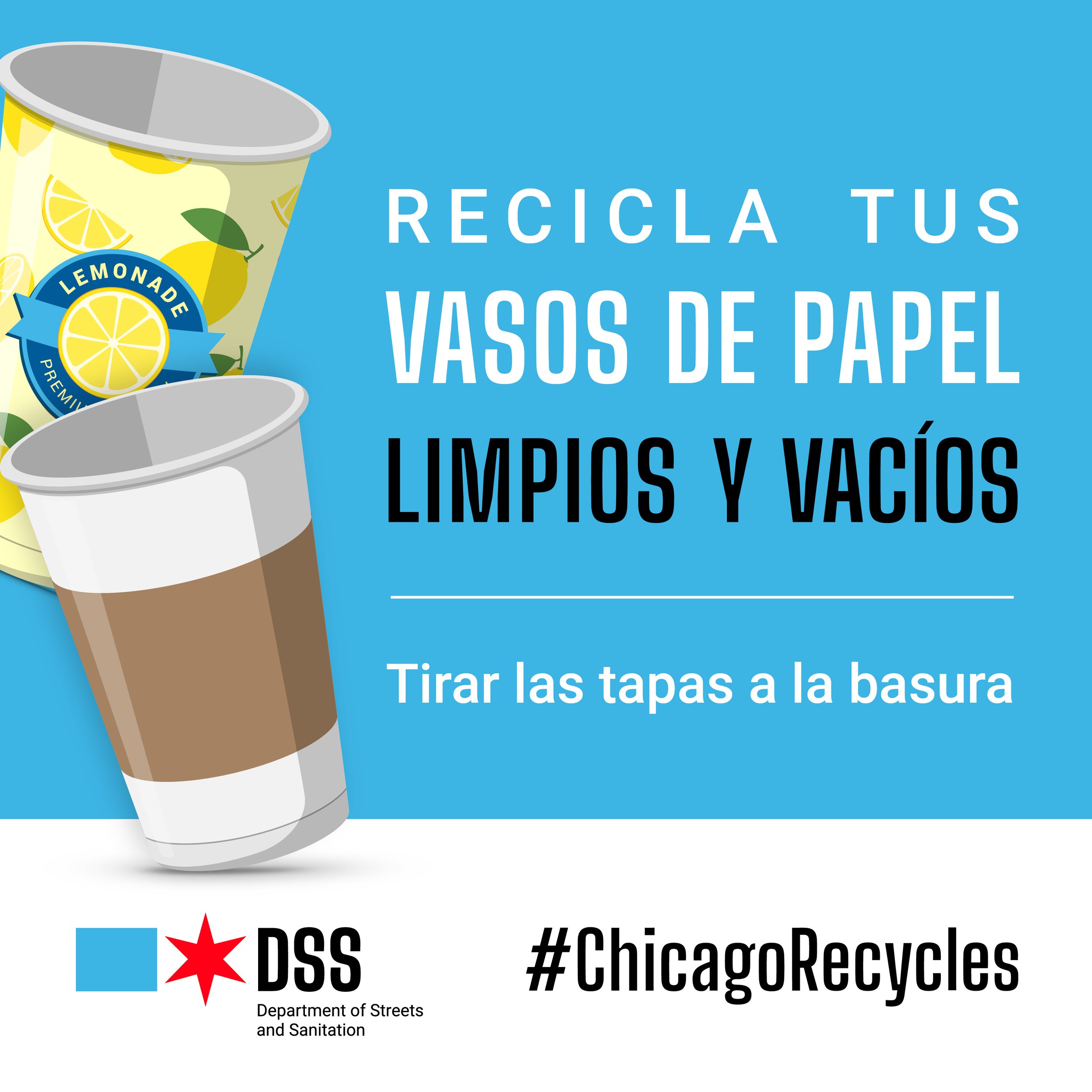
Chicago’s Department of Streets and Sanitation is asking residents to recycle their clean and empty paper cups and other takeout containers.
FPI awarded Groot a communications grant to inform residents about newly added recyclable materials, emphasizing the inclusion of paper cups, and reiterating the importance of ensuring all recyclables are clean and empty before placing in recycling carts.

Following the installation of the robotic sorter, the City of Madison, Pellitteri, and FPI collaborated on a focused educational campaign aimed at informing residents and customers about the recent modifications to the recycling program.


ACC's longstanding partner mills readily accepted bales containing paper cups. FPI facilitated discussions between RMPF and the mills, and ACC broadened its list of acceptable items to include paper cups and paper take-out containers.

Leveraging FPI's track record of successful community partnerships as evidence of paper cup recyclability, and securing approval from St. Lucie's collaborating mills, the County began including paper cups in its mixed paper bales.
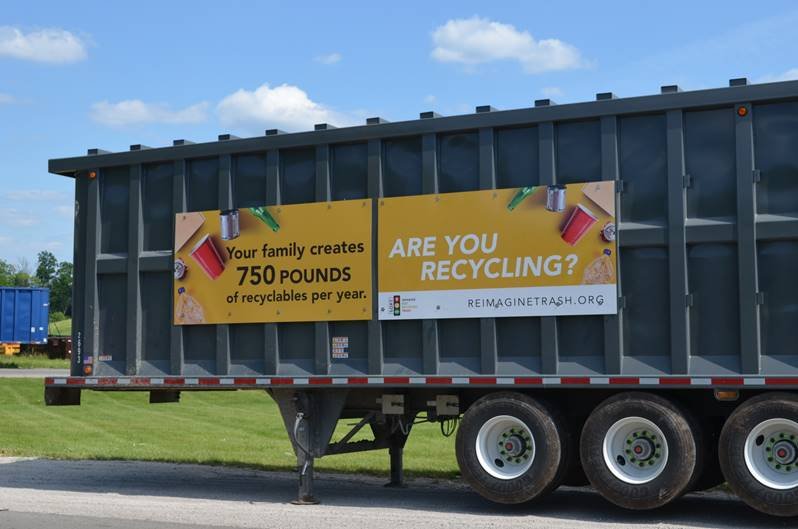
The County’s strong commitment to sustainability made it an ideal candidate to expand its recycling program to incorporate a range of foodservice items, like cups and containers, through an FPI Community Partnership.
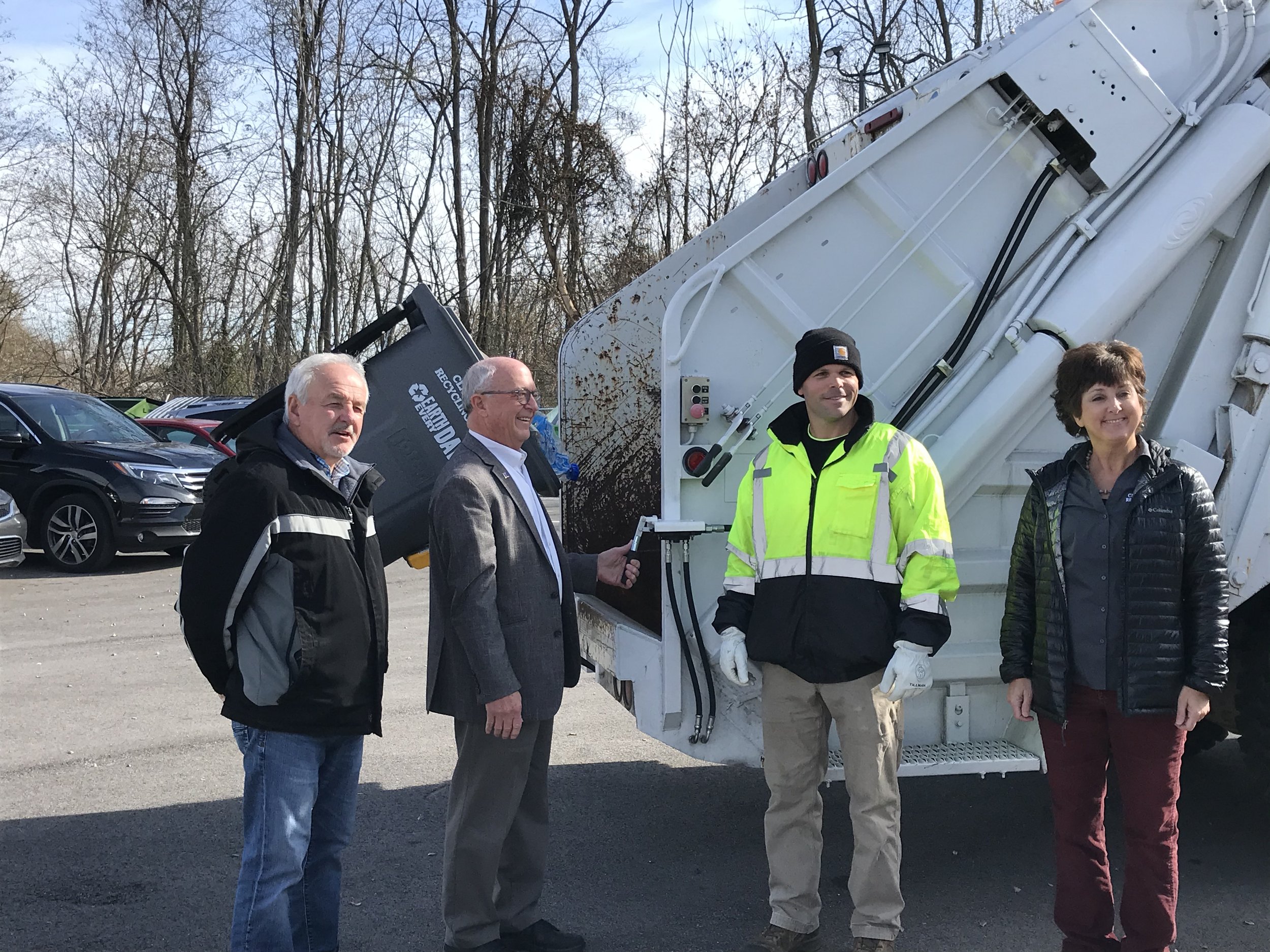
Clark County began incorporating paper cups, along with a variety of other paper foodservice items, into its mixed paper bales. The MRF subsequently sold this high-quality fiber to local paper mills in the region, where it could be reprocessed into new products.

Following the FPI’s market-based approach, the parties communicated regarding the proposed change in Sioux Falls' recycling program to ensure alignment between Millennium Recycling and its partner mill, WestRock in St. Paul, Minnesota.

Sustana committed to providing an off-take agreement for a combined paper cup/carton bale produced at the Alpine MRF in Denver. Following this change, the city of Denver carried out a targeted educational campaign to notify residents.

More households in Chicago and the surrounding area can now recycle paper cups along with other take-out containers.
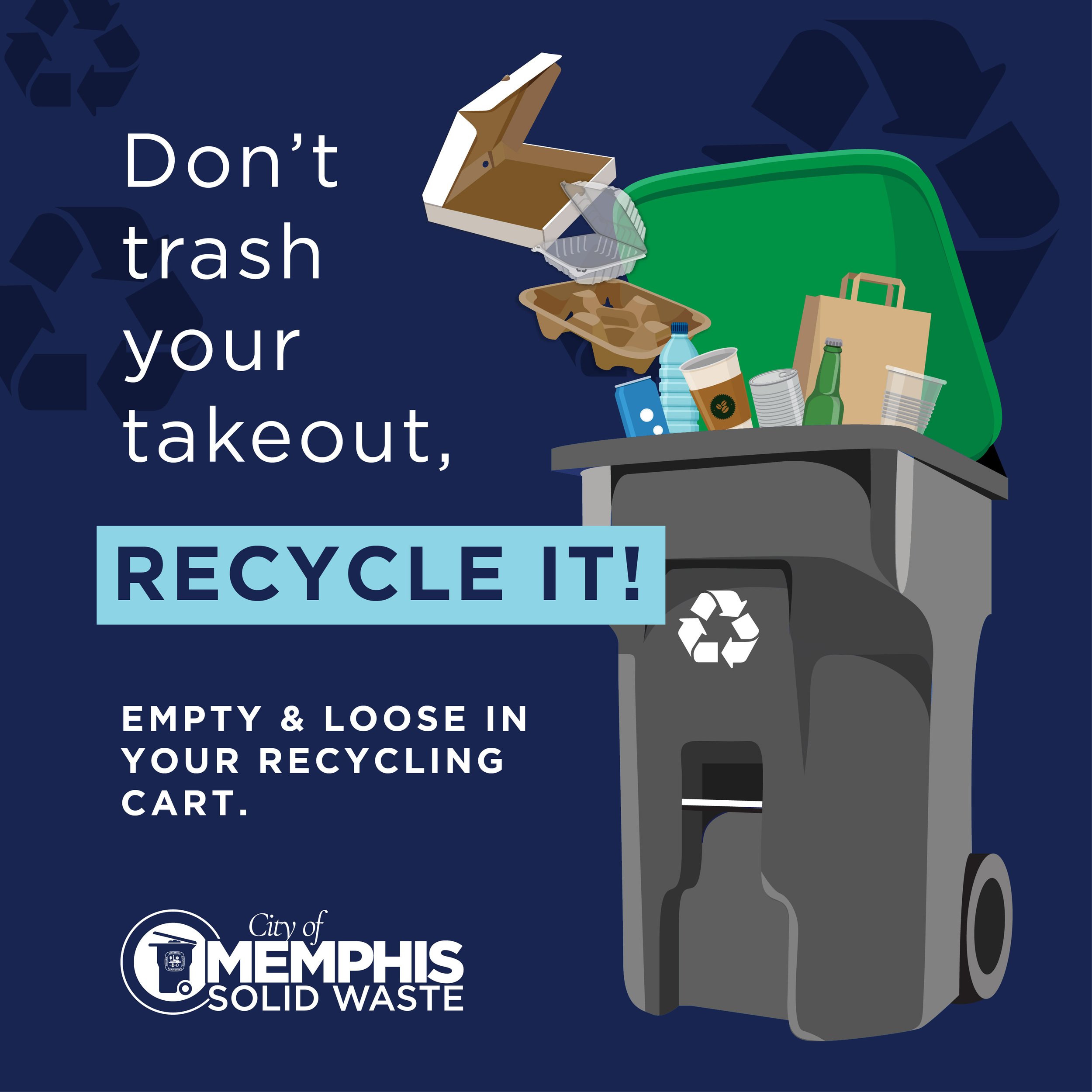
More than 182,000 households in the Memphis area are now able to recycle paper cups alongside already accepted foodservice packaging.

FCC Environmental Services has installed new robotic sorting technology at its MRF enabling greater Dallas area residents to recycle paper cups, and improved recycling of food and beverage cartons.

Eight municipalities in the Tulsa metropolitan area with over 252,000 households can recycle hot and cold paper cups.

FPI is working closely with local material recovery facilities (MRFs) and paper mills in North and South Carolina to add paper cups as an acceptable commodity for residential curbside recycling.


Stamford, Connecticut, a city of approximately 130,000 residents, has had a single stream recycling program for nearly 10 years. Since the switch from a dual stream to a single stream system back in 2008, the city has been accepting a wide range of recyclables that include many foodservice packaging items.
City staff currently collects residents’ 64 or 96-gallon carts and brings materials to city-owned local transfer station. The city also collects source separated residential recyclables at a drop-off recycling center. Stamford works hard to increase their recycling rate which currently sits at 32 percent as of 2015 (52 percent including yard waste), which is well above the Connecticut’s average recycling rate of about 24 percent.
Since the City’s switch to single stream recycling in 2008, the City’s Supervisor of Recycling and Sanitation reports the city has increased the quantity of collected materials from approximately 6,000 tons to over 12,000 tons in 2016. The supervisor also estimates that approximately 2-5 percent of the total recyclables collected as part of the current recycling stream are foodservice packaging items.

The City of Torrance, population 148,000, has long been ahead of the curve with curbside recycling and foodservice packaging recycling. In 1992, it began a city-wide commingled curbside program that included foodservice packaging items among an extensive list of recyclables. In educational materials (flyers, brochures) and on their website, Torrance is inclusive and specific about the foodservice packaging items that the program accepts.
Torrance services 29,500 single-family homes, and recycles about 10,000 tons per year. Both the material recovery facility (MRF) currently processing the city’s recyclables, as well as its former processor for more than 10 years, touted the cleanliness of Torrance’s commingled recyclables.They attributed it to the city’s robust education program.

With a population of nearly 700,000, Washington, D.C. is a compact and diverse city. From the top down, the District is committed to achieving zero waste by 2032. In October 2017, Washington, D.C. rolled out its unprecedented Zero Waste DC campaign, a complete face lift for recovery communications in the nation’s capital. A major component of the campaign was expanding the types of foodservice packaging accepted at the curbside through the Community Partnership program. Among the list of newly accepted materials are pizza boxes, takeout containers, plastic deli and bakery trays, paper cups and more.

The City of Palo Alto in California is home to approximately 67,000 residents and provides single stream recycling collection to the whole community (e.g., single-family residents, multi-family complexes, and commercial businesses, schools). The City switched to single-stream recycling from a multiple sort program in 2005. The same year, the City extended their sustainability commitments and adopted a city-wide goal of Zero Waste by 2021. To help achieve this goal, Palo Alto started a curbside compost collection program in 2009 for commercial businesses and in the same year expanded the recycling collection program to accept plastics and plastic foodservice packaging. In 2015, the residential curbside compost collection was expanded to include food scraps, compostable plastics, and soiled paper. The program has been seeing increasing quantities in both streams. The City’s diversion rate has risen from 63% in 2007 to 82% in 2016.

With a population of over 600,000, Louisville is the largest city in Kentucky. Leading by example, Louisville has a goal of diverting 90 percent of solid waste from the landfill by 2042. Launching the first FPI Community Partnership was the first step to stay on track to increase its diversion.
The city’s recycling processor was key in the decision to accept foodservice packaging and worked with the city to expand the list of materials accepted. In 2015, QRS Recycling collected nearly 23 million pounds of recyclables for the city; with the expanded list of what is accepted and a strategic education campaign in the city’s program, Louisville eyes that 90 percent diversion goal.

Chattanooga, Tennessee, a city of approximately 178,000, has had a single stream recycling program for nearly 13 years. With a focus on providing every household with a curbside recycling container by 2022, the city’s Department of Public Works (DPW) looked at ways of expanding its recycling program with a focus on communicating and educating their residents. The DPW saw the Community Partnership program as a great opportunity to not only expand its recycling program but to have a large communication campaign to refresh its educational materials and give residents updated information on recycling. In fall 2017, after a year of planning alongside FPI, Chattanooga was announced as the very first city selected for FPI’s Community Partnership program.